Cyntraflow

Uncategorized

meta ads
Uncategorized

Why your Meta ads are bleeding money

You set up your Meta ads. You picked an audience. You hit publish. And now you’re watching your budget disappear with nothing to show for it. You’re not alone. This happens to thousands of businesses every single day — and the scary part? Most of them never figure out why. We’ve audited dozens of Meta ads accounts at CyntraFlow, and the same mistakes keep showing up. Here’s what’s actually draining your budget.  1. You’re Targeting the Wrong People Most businesses running Meta ads make targeting way too complicated. They stack interest upon interest, narrow it down obsessively, and end up showing ads to an audience so small that Meta’s algorithm never gets enough data to optimise. Here’s what we’ve seen work better — broad targeting with a strong creative. Let Meta’s AI do what it’s built to do. Trust the algorithm, not your assumptions about your customer. 2. Your Meta Ads Creative Is Weak This is the biggest one. In 2026, creative is the targeting. If your ad looks like every other generic post in the feed, people scroll past it in 0.3 seconds. Your Meta ads need a hook — in the first frame of your video or the first line of your copy — that stops the scroll dead. Ask yourself: would you stop scrolling for this ad? Be honest. 3. You’re Sending Traffic to a Bad Landing Page  Your Meta ad got the click. Great. Now what? If your landing page is slow, confusing, or doesn’t match the promise of your ad — that click just cost you money for nothing. A high-converting Meta ads campaign lives and dies by what happens after the click. Fast page. Clear headline. One CTA. That’s it. 4. You’re Optimising for the Wrong Objective Boosting posts for “engagement” and expecting sales is like hiring a chef to fix your plumbing. Wrong tool, wrong job. If you want conversions, optimise for conversions. If you want leads, run a lead campaign. Your Meta ads objective directly tells the algorithm what kind of people to find — get this wrong and you’re burning money finding people who will never buy. 5. You Killed Your Ads Too Early Meta ads need time to learn. The platform runs what’s called a learning phase — typically 50 conversion events — before it starts optimising properly. Meta themselves recommend waiting until this phase is complete before drawing any conclusions. Most businesses panic after 3 days, kill the ad, start a new one, and reset the learning phase all over again. You’re essentially never letting the engine warm up. Give your Meta ads at least 7–14 days before making major decisions. Patience here isn’t passive — it’s strategic. 6. You Have No Retargeting Strategy If someone visited your website, watched your video, or clicked your ad — and you’re not retargeting them — you’re leaving money on the table. Simple as that. Cold audiences convert at 1–3% on a good day. Warm retargeting audiences can convert 3–5x higher. Your Meta ads strategy needs both layers working together. Think of it like this — your cold campaign creates interest, your retargeting campaign closes the deal. Without retargeting, you’re doing half the job. 7. You’re Ignoring Your Meta Ads Data Meta gives you an insane amount of data — CPM, CTR, CPC, frequency, relevance scores. Most businesses either ignore it completely or don’t know what they’re looking at. High CPM? Your audience might be too competitive or too small. Low CTR? Your creative isn’t working. High CTR but no conversions? Your landing page is the problem. Learning to read your Meta ads data is what separates businesses that scale from businesses that stall. Every number is telling you something — you just need to listen So What Actually Works? • Strong creative that hooks in the first 3 seconds • Broad targeting and let Meta optimise • Conversion-optimised objective from day one • A landing page that matches the ad promise  • Patience — don’t touch it for at least a week Stop Guessing. Start Growing. If your Meta ads are eating budget with nothing to show for it, the problem isn’t Meta — it’s the setup. At CyntraFlow, we audit, fix, and scale Meta ads campaigns for brands that are serious about results. We’ve helped brands go from burning budgets to booking clients — and we can do the same for you. Book a Free Meta Ads Audit →

Uncategorized

7 Social Media Marketing Strategies to Dominate Online in 2026

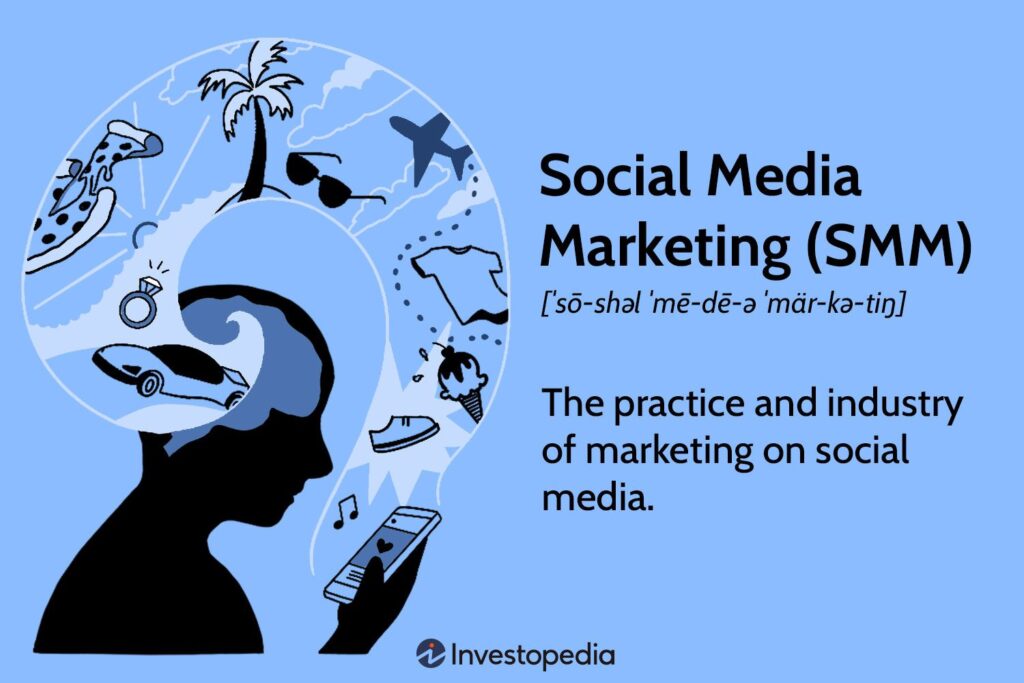
In today’s digital world, social media marketing social media has become an essential part of everyday life. Billions of people use platforms like Instagram, Facebook, LinkedIn, X, TikTok, and YouTube to connect, discover new brands, and make purchasing decisions. For businesses, this presents an incredible opportunity to reach potential customers and build meaningful relationships. Social Media Marketing (SMM) is one of the most powerful digital marketing strategies available today. It helps businesses increase brand awareness, engage with audiences, generate leads, and drive sales. Whether you’re a startup, small business, or large enterprise, an effective social media strategy can significantly impact your growth. In this guide, we’ll explore what social media marketing is, its benefits, and how businesses can use it successfully. What is Social Media Marketing?   Social Media Marketing is the process of using social media platforms to promote a brand, product, or service. It involves creating and sharing content, engaging with followers, running advertising campaigns, and analyzing performance to achieve business goals. The primary objectives of social media marketing include: Increasing brand awareness Building customer relationships Driving website traffic Generating leads Boosting sales Improving customer support   Why Social Media Marketing Matters? Consumers spend several hours each day on social media platforms. Businesses that maintain an active and engaging presence can connect with customers where they already spend their time. Some major benefits of social media marketing include: • Better Customer Engagement • Cost-Effective Marketing • Improved Customer Trust • Higher Conversion Rates Popular Social Media Platforms for Businesses Instagram Instagram is ideal for visual content, brand storytelling, product showcases, and short-form videos. Reels continue to be one of the most effective ways to increase reach and engagement. Facebook Facebook remains valuable for community building, local business promotion, and targeted advertising campaigns. You tube Video content continues to dominate online consumption. YouTube helps businesses educate audiences, demonstrate products, and build authority. Effective Social Media Marketing Strategies 1. Create Valuable Content Content is the foundation of successful social media marketing. Focus on creating content that educates, entertains, inspires, or solves problems. Examples include: Educational posts Industry tips Behind-the-scenes content Customer success stories Product demonstrations Short-form videos 2. Maintain Consistency Consistency is critical for growth. Businesses should establish a content calendar and maintain a regular posting schedule. Posting consistently helps improve visibility and keeps audiences engaged over time. 3. Focus on Video Content Video content generates some of the highest engagement rates across social media platforms. Popular video formats include: Reels Shorts Tutorials Product demonstrations Live streams Customer testimonials Short-form videos, in particular, continue to dominate social media trends. 4. Engage With Your Audience Successful social media marketing goes beyond publishing content. Businesses should actively respond to comments, answer messages, and participate in conversations. Audience engagement strengthens relationships and improves brand loyalty. 5. Use Paid Advertising Organic reach can be limited on some platforms. Paid advertising allows businesses to target specific audiences based on demographics, interests, behaviors, and location. Well-optimized social media ads can generate leads, sales, and website traffic at a relatively low cost. Common Social Media Marketing Mistakes Many businesses struggle to achieve results because they make common mistakes such as: Posting without a strategy Ignoring audience engagement Focusing only on sales content Inconsistent posting schedules Using poor-quality visuals Failing to analyze performance data Avoiding these mistakes can significantly improve marketing results. FAQ’s What is social media marketing? Social media marketing is the use of social media platforms to promote products, services, or brands while engaging with target audiences and achieving business goals. Is paid advertising necessary for social media success? Not always. Organic content can generate results, but paid advertising helps businesses reach larger and more targeted audiences faster. How can I measure social media marketing success? Key metrics include engagement rate, reach, impressions, follower growth, website traffic, leads generated, and conversion rates.

Uncategorized

7 Proven Lead Generation Strategies to Grow Your Business Online

Lead generation — in today’s competitive digital landscape, attracting potential customers is one of the biggest challenges businesses face. No matter how great your product or service is, your business cannot grow without a steady stream of interested prospects. This is where lead generation becomes essential. Lead generation is the process of attracting and capturing the interest of potential customers with the goal of converting them into paying clients. When done correctly, it creates a predictable flow of opportunities and helps businesses increase revenue consistently. In this guide, we’ll explore what lead generation is, why it matters, and the most effective strategies businesses can use to generate high-quality leads — the same strategies used by top platforms like HubSpot to drive millions in revenue every year. What is Lead Generation? A lead is a person or business that has shown interest in your products or services. This interest may be demonstrated by filling out a contact form, subscribing to a newsletter, downloading a resource, requesting a quote, or interacting with your business online. Lead generation is the process of attracting these prospects and collecting their information so your business can nurture them into customers. Common lead information includes: Name Email address Phone number Company name Business requirements Why is Lead Generation Important? Without lead generation, businesses rely heavily on referrals or existing customers. While referrals are valuable, they often aren’t enough to sustain long-term growth. Effective lead generation helps businesses: Increase sales opportunities Build a predictable customer pipeline Improve brand awareness Reach new audiences Generate consistent revenue Reduce customer acquisition costs over time Top Lead Generation Strategies Search Engine Optimization (SEO) SEO remains one of the most effective ways to generate leads online. By optimizing your website and content for search engines, you can attract people actively searching for solutions related to your business. Some effective SEO practices include: Targeting relevant keywords Publishing high-quality blog content Optimizing website speed Improving mobile usability Building quality backlinks Organic traffic often produces highly qualified leads because users are already searching for information or services. Social Media Marketing Social media platforms provide excellent opportunities to connect with potential customers. Businesses can generate leads by: Sharing valuable content Running targeted advertising campaigns Engaging with followers Hosting live sessions Creating educational videos Platforms such as LinkedIn, Instagram, Facebook, and X can help businesses reach highly targeted audiences. Paid Advertising Paid advertising allows businesses to generate leads quickly by targeting specific audiences. Popular advertising channels include: Google Ads Facebook Ads Instagram Ads LinkedIn Ads YouTube Ads When optimized correctly, paid campaigns can deliver high-quality leads and measurable results. FAQ’s What is lead generation in digital marketing? Lead generation is the process of attracting potential customers and collecting their information so businesses can nurture them into paying customers. Which lead generation strategy works best? The best strategy depends on the business, but SEO, content marketing, paid advertising, and email marketing are among the most effective methods. Why is lead quality more important than lead quantity? High-quality leads are more likely to convert into customers, resulting in better ROI and more efficient use of marketing resources. Lead generation is the process of attracting potential customers and collecting their information so businesses can nurture them into paying customers. The best strategy depends on the business, but SEO, content marketing, paid advertising, and email marketing are among the most effective methods. High-quality leads are more likely to convert into customers, resulting in better ROI and more efficient use of marketing resources. The Future of Lead Generation Lead generation continues to evolve with advancements in technology and consumer behavior.     Emerging trends include: AI-powered marketing automation Personalized customer experiences Conversational marketing through chatbots Predictive analytics Voice search optimization Interactive content experiences Businesses that adapt to these trends will be better equipped to attract and convert modern consumers.

Uncategorized

AI & Marketing: How Artificial Intelligence is Transforming Digital Marketing in 2026

AI & Marketing: How Artificial Intelligence is Transforming Digital Marketing in 2026 Artificial Intelligence (AI) is no longer a futuristic concept—it has become a core part of modern digital marketing. From content creation and customer support to data analysis and personalized advertising, AI is helping businesses reach their audiences more effectively than ever before. As technology continues to evolve, companies that embrace AI-driven marketing strategies are gaining a significant competitive advantage. In this article, we’ll explore how AI is transforming digital marketing and why businesses should pay attention to this revolutionary technology.As technology continues to evolve, companies that embrace AI-driven marketing strategies are gaining a significant competitive advantage. In this article, we’ll explore how AI is transforming digital marketing and why businesses should pay attention to this revolutionary technology.Lorem ipsum dolor sit amet, consectetur adipiscing elit. Ut elit tellus, luctus nec ullamcorper mattis, pulvinar dapibus leo. What is AI marketing? AI marketing is the use of artificial intelligence technologies to automate marketing tasks, analyze data, improve targeting, and enhance customer experiences. Can AI replace digital marketers? No. AI can automate repetitive tasks and provide insights, but human creativity, strategy, and relationship-building remain essential in marketing. How does AI improve SEO? AI helps with keyword research, content optimization, competitor analysis, and understanding search trends, making SEO efforts more efficient.   AI marketing is the use of artificial intelligence technologies to automate marketing tasks, analyze data, improve targeting, and enhance customer experiences. No. AI can automate repetitive tasks and provide insights, but human creativity, strategy, and relationship-building remain essential in marketing. AI helps with keyword research, content optimization, competitor analysis, and understanding search trends, making SEO efforts more efficient.    What is AI in Marketing? AI in marketing refers to the use of artificial intelligence technologies to automate tasks, analyze data, predict customer behavior, and improve marketing performance. AI systems can process vast amounts of information much faster than humans, helping businesses make smarter decisions and deliver better customer experiences. Today, AI is used in various aspects of digital marketing, including: Content creation Search Engine Optimization (SEO) Social media management Email marketing Customer service Advertising campaigns Market research Data analytics Benefits of AI in Digital Marketing 1. Improved Customer Personalization Consumers expect personalized experiences. AI helps businesses analyze customer behavior, preferences, and purchase history to deliver tailored recommendations and content. For example, streaming platforms, online stores, and social media platforms use AI algorithms to suggest content and products based on user interests. This level of personalization increases engagement and improves conversion rates. 2. Faster Content Creation Creating high-quality content consistently can be challenging. AI-powered tools help marketers generate blog ideas, social media captions, email campaigns, and even complete articles. While human creativity remains essential, AI can significantly speed up the content creation process and improve productivity. 3. Smarter Advertising AI allows marketers to optimize advertising campaigns by analyzing audience data and identifying the most effective targeting strategies. Platforms like Google Ads and Meta Ads use AI to determine which users are most likely to convert, helping businesses maximize their return on investment (ROI). 4. Better Customer Support AI chatbots and virtual assistants can provide instant responses to customer inquiries 24/7. This improves customer satisfaction while reducing the workload on support teams. Modern AI chatbots are capable of understanding user intent, answering common questions, and even guiding customers through purchasing decisions. 5. Data-Driven Decision Making Marketing generates enormous amounts of data. AI helps businesses analyze this data quickly and identify valuable insights. Instead of relying solely on assumptions, marketers can use AI-powered analytics to make informed decisions and improve campaign performance. AI and SEO: The Future of Search Search Engine Optimization is evolving rapidly due to AI advancements. Search engines are becoming smarter at understanding user intent and delivering relevant results. To succeed in modern SEO, businesses should focus on: Creating valuable, user-focused content Improving website speed and user experience Using structured data Optimizing for voice search Answering user questions clearly   AI tools can also assist with keyword research, content optimization, competitor analysis, and performance tracking.  Benefits of AI in Digital Marketing Improved Customer Personalization Consumers expect personalized experiences. AI helps businesses analyze customer behavior, preferences, and purchase history to deliver tailored recommendations and content. For example, streaming platforms, online stores, and social media platforms use AI algorithms to suggest content and products based on user interests. This level of personalization increases engagement and improves conversion rates. Faster Content Creation Creating high-quality content consistently can be challenging. AI-powered tools help marketers generate blog ideas, social media captions, email campaigns, and even complete articles. While human creativity remains essential, AI can significantly speed up the content creation process and improve productivity. Smarter Advertising AI allows marketers to optimize advertising campaigns by analyzing audience data and identifying the most effective targeting strategies. Platforms like Google Ads and Meta Ads use AI to determine which users are most likely to convert, helping businesses maximize their return on investment (ROI).

Scroll to Top