Lead generation — in today’s competitive digital landscape, attracting potential customers is one of the biggest challenges businesses face. No matter how great your product or service is, your business cannot grow without a steady stream of interested prospects. This is where lead generation becomes essential.
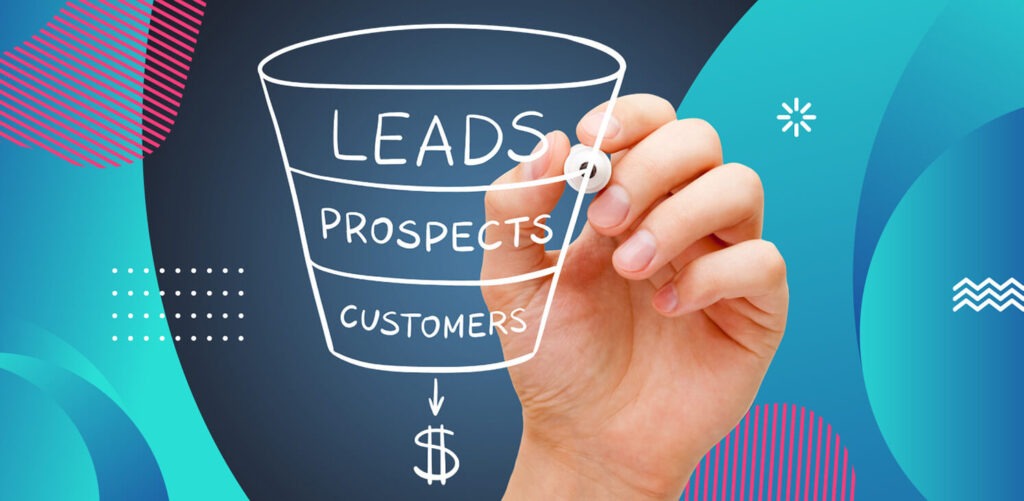
Lead generation is the process of attracting and capturing the interest of potential customers with the goal of converting them into paying clients. When done correctly, it creates a predictable flow of opportunities and helps businesses increase revenue consistently.
In this guide, we’ll explore what lead generation is, why it matters, and the most effective strategies businesses can use to generate high-quality leads — the same strategies used by top platforms like HubSpot to drive millions in revenue every year.
What is Lead Generation?
A lead is a person or business that has shown interest in your products or services. This interest may be demonstrated by filling out a contact form, subscribing to a newsletter, downloading a resource, requesting a quote, or interacting with your business online.
Lead generation is the process of attracting these prospects and collecting their information so your business can nurture them into customers.
Common lead information includes:
Name
Email address
Phone number
Company name
Business requirements
Why is Lead Generation Important?
Without lead generation, businesses rely heavily on referrals or existing customers. While referrals are valuable, they often aren’t enough to sustain long-term growth.
Effective lead generation helps businesses:
Increase sales opportunities
Build a predictable customer pipeline
Improve brand awareness
Reach new audiences
Generate consistent revenue
Reduce customer acquisition costs over time
Top Lead Generation Strategies
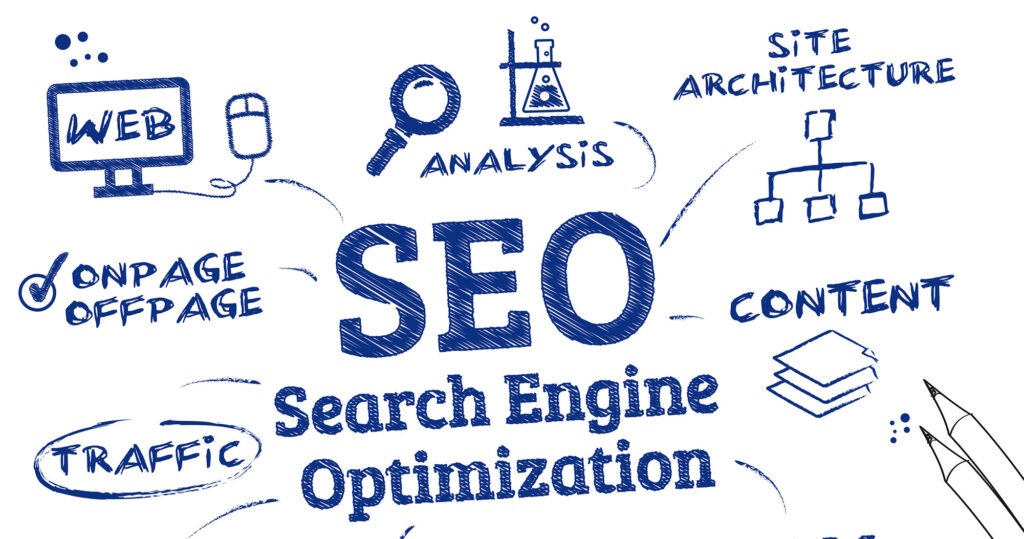
Search Engine Optimization (SEO)
SEO remains one of the most effective ways to generate leads online. By optimizing your website and content for search engines, you can attract people actively searching for solutions related to your business.
Some effective SEO practices include:
Targeting relevant keywords
Publishing high-quality blog content
Optimizing website speed
Improving mobile usability
Building quality backlinks
Organic traffic often produces highly qualified leads because users are already searching for information or services.
Social Media Marketing
Social media platforms provide excellent opportunities to connect with potential customers.
Businesses can generate leads by:
Sharing valuable content
Running targeted advertising campaigns
Engaging with followers
Hosting live sessions
Creating educational videos
Platforms such as LinkedIn, Instagram, Facebook, and X can help businesses reach highly targeted audiences.
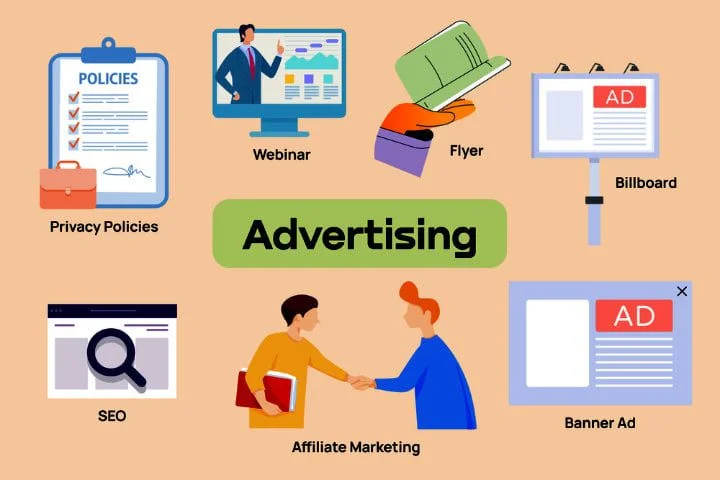
Paid Advertising
Paid advertising allows businesses to generate leads quickly by targeting specific audiences.
Popular advertising channels include:
Google Ads
Facebook Ads
Instagram Ads
LinkedIn Ads
YouTube Ads
When optimized correctly, paid campaigns can deliver high-quality leads and measurable results.
FAQ's
What is lead generation in digital marketing?
Lead generation is the process of attracting potential customers and collecting their information so businesses can nurture them into paying customers.
Which lead generation strategy works best?
The best strategy depends on the business, but SEO, content marketing, paid advertising, and email marketing are among the most effective methods.
Why is lead quality more important than lead quantity?
High-quality leads are more likely to convert into customers, resulting in better ROI and more efficient use of marketing resources.
The Future of Lead Generation
Lead generation continues to evolve with advancements in technology and consumer behavior.
Emerging trends include:
AI-powered marketing automation
Personalized customer experiences
Conversational marketing through chatbots
Predictive analytics
Voice search optimization
Interactive content experiences
Businesses that adapt to these trends will be better equipped to attract and convert modern consumers.